Crown vs. Filling: Which One is Best for You?
- coastalsmiles12
- Feb 26
- 4 min read
Have you ever been told you need dental work and wondered, “Do I really need a crown, or will a filling be enough?” You’re not alone. This is one of the most common questions patients ask at a wilmington dentist, and the answer is not always as simple as it sounds.
Both crowns and fillings are designed to fix damaged teeth, but they serve different purposes. Choosing the right option depends on how much damage your tooth has, your daily habits, and even how long you want the solution to last. Let’s break it down in a clear, easy way so you can feel confident about your decision.

Understanding Tooth Damage First
Not all tooth damage is the same. Some cavities are small and caught early, while others weaken a large part of the tooth. Cracks, old fillings, grinding, or past dental work can also play a role.
Dentists look at:
How much healthy tooth structure remains
Whether the tooth can handle chewing pressure
Your bite and oral habits
Long-term durability
This evaluation helps decide whether a filling can safely repair the tooth or if a crown is the better option.
What Is a Dental Filling?
A dental filling is used when decay or damage is minor to moderate. The dentist removes the damaged area and fills the space with a material that restores the tooth’s shape and function.
Common filling materials include:
Tooth-colored composite resin
Amalgam (silver fillings)
Glass ionomer in specific cases
Fillings are popular because they are quick, affordable, and preserve more of your natural tooth. In many cases, the procedure can be completed in a single visit.
However, fillings are not always the best long-term choice for larger cavities or weakened teeth. If too much tooth structure is missing, a filling may crack or fail over time.
What Is a Dental Crown?
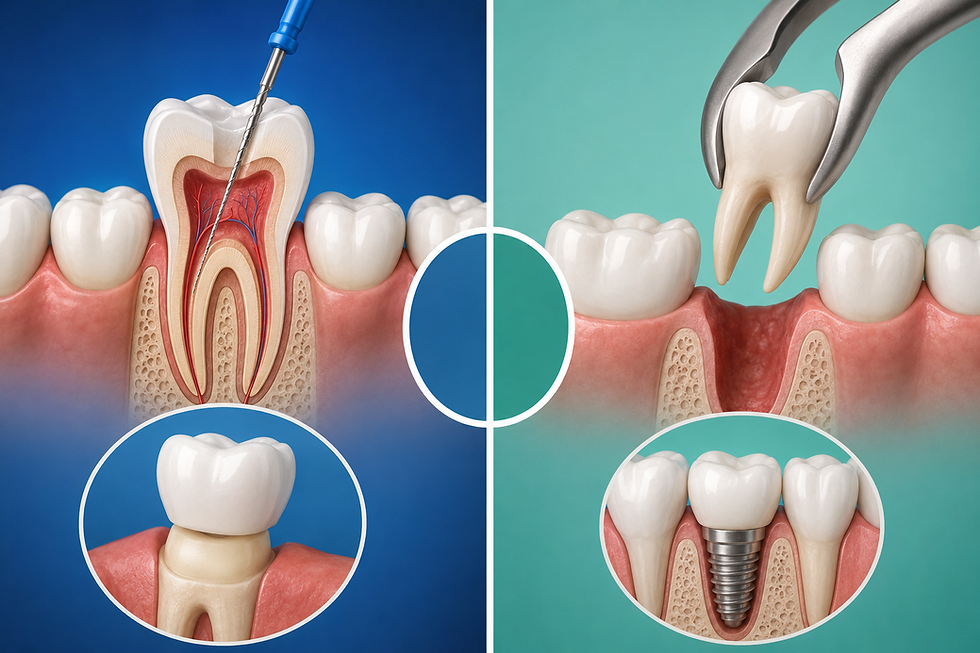
A dental crown is a cap that completely covers the tooth. It protects and strengthens a tooth that is badly damaged, cracked, or weakened.
Crowns are often recommended after:
Large cavities
Root canal treatment
Broken or worn-down teeth
Failed or oversized fillings
Crowns can be made from porcelain, ceramic, metal, or a combination of materials. They are designed to look natural and withstand daily chewing forces.
In some cases, crowns are part of more advanced treatments connected with coastal oral surgery, especially when tooth structure has been significantly compromised.
Crown vs. Filling: Key Differences at a Glance
Feature | Dental Filling | Dental Crown |
Best for | Small to moderate damage | Severe damage or weak teeth |
Tooth coverage | Fills only damaged area | Covers entire tooth |
Procedure time | Usually one visit | One or two visits |
Durability | 5–10 years on average | 10–15+ years with care |
Cost | Lower upfront cost | Higher upfront cost |
Strength | Limited for large areas | Very strong and protective |
How Dentists Decide Which One You Need
Your dentist doesn’t just look at the cavity. They also consider your lifestyle. For example, if you grind your teeth at night or chew on hard foods often, a crown may provide better protection.
Using modern tools, including digital imaging and even devices like a vibrating teeth cleaner during professional cleanings, dentists can detect early damage before it becomes serious.
Early detection often means a filling is enough. Waiting too long may lead to needing a crown instead.
Cost vs. Value: Thinking Long-Term
Many patients focus on cost first, which is understandable. Fillings are less expensive upfront, but they may need replacement over time. Crowns cost more initially, but they often last longer and reduce the risk of future problems.
In some cases, replacing a failed filling multiple times can end up costing more than placing a crown early. Your dentist will help you weigh both short-term and long-term value.
What About Comfort and Appearance?
Modern dentistry has come a long way. Today’s fillings blend naturally with your tooth, and crowns are designed to match your smile closely.
Both procedures are typically comfortable, especially with local anesthesia. After treatment, most patients return to normal activities the same day.
Can a Filling Turn Into a Crown Later?
Yes, and this happens often. A tooth that starts with a filling may eventually need a crown if:
The filling becomes too large
The tooth cracks
Repeated decay occurs
That’s why regular dental visits matter. Routine checkups allow your dentist to monitor changes and recommend the best option before problems worsen.
Making the Right Choice for Your Smile
There is no one-size-fits-all answer. What works for one patient may not be right for another. A personalized evaluation is the key.
Dental teams like those at Coastal Smiles Family Dentistry focus on preserving natural teeth whenever possible while ensuring long-term strength and comfort. Their goal is not just to fix the problem today, but to help your smile stay healthy for years to come.
Final Thoughts
Choosing between a crown and a filling doesn’t have to be confusing. It comes down to how damaged your tooth is and what will protect it best in the long run. With early care, many teeth can be saved with simple fillings. When damage is more serious, crowns provide strength, protection, and peace of mind.
If you’re unsure which option is right for you, a trusted wilmington dentist can guide you with honest advice and modern solutions. Your smile deserves care that feels right today and lasts into the future.
Frequently Asked Questions
Is a crown always better than a filling?
No. A filling is often the best choice for small cavities. Crowns are recommended when the tooth needs extra support.
Does getting a crown hurt?
The procedure is usually painless with anesthesia. Some mild soreness afterward is normal but temporary.
How long do fillings and crowns last?
Fillings typically last 5–10 years. Crowns can last 10–15 years or longer with good oral care.
Can I eat normally after a filling or crown?
Yes, but it’s best to avoid hard or sticky foods for the first day. Your dentist will give specific instructions.
How can I avoid needing crowns or fillings?
Good daily care, regular checkups, and professional cleanings help prevent decay. Tools like a vibrating teeth cleaner can also support better plaque removal when used correctly.


Comments