What Is Oral Surgery Read This Before You Stress Out
- coastalsmiles12
- Apr 10
- 4 min read
Ever heard the words oral surgery and instantly felt nervous?
You are not alone. Most people think of pain, long procedures, and a stressful experience. But the truth is a lot simpler and way less scary than what you might be imagining.
If you have ever been told to visit an endodontist wilmington nc or heard your dentist mention a procedure, it can feel confusing. So let’s break it down in a way that actually makes sense.

So, what is oral surgery actually
Oral surgery is a type of dental treatment that focuses on fixing deeper problems related to your teeth, gums, or jaw. It goes beyond regular cleanings or fillings and is usually recommended when something needs more attention.
It does not always mean something serious. In many cases, it is just a way to remove pain, fix damage, or prevent future issues.
Sounds scary, right? But many oral surgeries are actually quick and common.
Why would someone need oral surgery
There are different reasons why your dentist might suggest oral surgery. Some are urgent, while others are more about long term care.
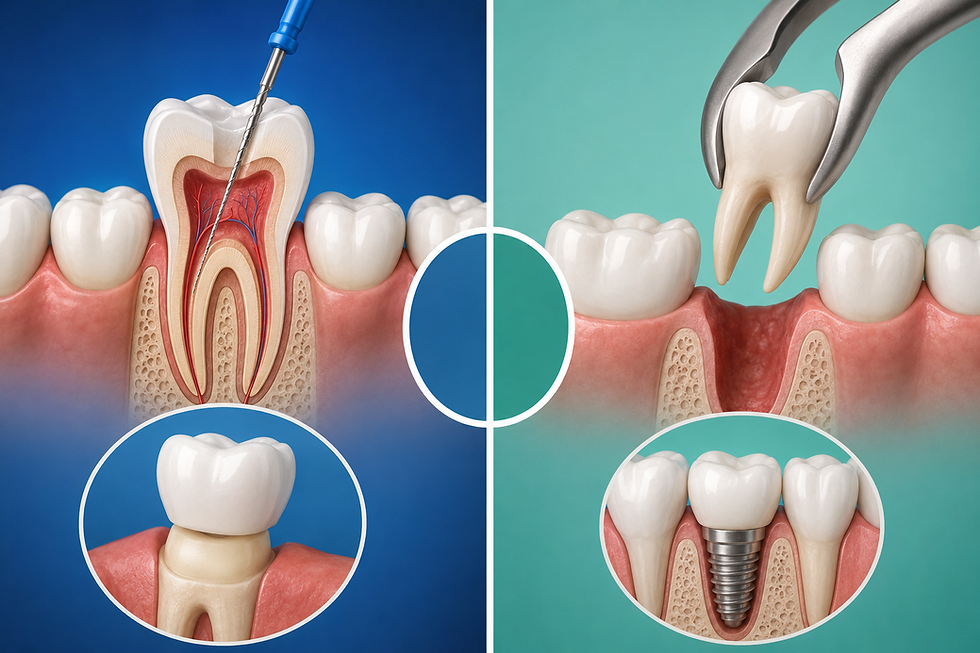
• Tooth extraction is needed when a tooth is too damaged, broken, or infected to be saved
• Wisdom teeth can get stuck under the gums and cause pain or swelling
• Deep infections inside a tooth may need special treatment from a specialist • Some cases require preparation before placing dental crowns to restore a tooth
• Injuries or jaw related issues might also need surgical care
Sometimes the goal is to fix a current problem. Other times it is to stop something small from turning into something serious.
Is oral surgery painful?
This is the first thing most people worry about.
The reality is that you will not feel pain during the procedure. The dentist uses anesthesia to numb the area, so you stay comfortable. You might feel pressure or movement, but not actual pain.
After the procedure, there can be some soreness or swelling, but it is usually manageable. Most people say the stress before the surgery is worse than the recovery itself.
Common types of oral surgery
There are a few procedures that dentists perform very often. Knowing about them can make things feel less unknown.
• Tooth extraction is one of the most common procedures and is done when saving the tooth is not possible
• Root related treatments are handled by specialists when infection goes deep inside the tooth
• Dental crowns sometimes require minor procedures to prepare the tooth properly
• Wisdom teeth removal is very common, especially when there is not enough space in the mouth.
Each of these might sound intimidating, but they are routine for dental professionals.
What happens during the procedure
If you have never had oral surgery before, the process might feel unclear. But it is actually pretty straightforward.
First, the dentist will numb the area so you do not feel pain. Then they carefully perform the procedure. The time it takes depends on what is being done, but many treatments are quicker than expected.
After that, you will be given instructions on how to take care of your mouth. In some cases, once healing is done, your dentist may suggest a dental crown to restore the strength and shape of your tooth.
Oral surgery vs regular dental treatment
Here is a simple comparison to help you understand the difference:
Feature | Regular Dental Care | Oral Surgery |
Purpose | Basic cleaning and minor fixes | Treat deeper or complex issues |
Pain level | Very minimal | Managed with anesthesia |
Time needed | Short visits | Can take longer |
Recovery | No recovery needed | Few days of healing |
Examples | Fillings cleaning | Tooth extraction wisdom teeth |
Recovery what to expect
Recovery is usually easier than people think, especially if you follow the advice given by your dentist.
• Mild swelling or discomfort can happen for a couple of days
• Soft foods like yogurt or soups are easier to manage at first
• You should avoid chewing on the treated side for some time
• Keeping your mouth clean is important but you need to be gentle
Most people feel normal again within a few days and return to their routine quickly.
When should you not ignore the signs
Sometimes your body gives clear signals that something is not right. Ignoring them can lead to bigger problems.
• Constant tooth pain that does not go away
• Swelling in the gums or face• Trouble chewing or opening your mouth
• A bad taste or smell that keeps coming back
If you notice these signs, it is better to get checked early instead of waiting.
Final thoughts
Oral surgery sounds like a big deal, but in reality, it is just a step toward solving a problem and improving your overall dental health. Once you understand what it involves, it becomes much less intimidating.
If you ever feel unsure, ask questions and take your time to understand the process. Good dental care is not just about treatment, it is about feeling comfortable and informed too. Places like Coastal Smiles Family Dentistry focus on making patients feel at ease and explaining everything clearly so you know what to expect.
At the end of the day, oral surgery is not something to panic about. It is something that helps you feel better, heal properly, and avoid bigger issues in the future.
FAQs
Is oral surgery safe
Yes, it is very safe when done by a trained and experienced professional.
How long does healing take
Most people recover in a few days, but complete healing can take a couple of weeks depending on the procedure.
Can I go back to normal eating quickly
You will need soft foods at first, but normal eating usually returns soon.
Do I always need surgery for dental problems
Not always. Many issues can be treated early without surgery.
Will I feel anything during the procedure
You may feel pressure, but not pain because the area will be numb.


Comments