How to Reduce Gap Between Teeth: Treatment Types and Cost
- coastalsmiles12
- Mar 26
- 4 min read
Ever noticed a gap between your teeth and wondered if you should fix it or just leave it? You’re not alone. Many people search for simple and effective ways to close gaps and improve their smile. If you’ve been thinking about visiting a wilmington dentist, this guide will help you understand your options in a clear and real way.
Let’s break it down without any confusing jargon.

What Causes Gaps Between Teeth?
Before jumping into treatments, it helps to know why gaps happen in the first place.
Some common reasons include:
Genetics (some people naturally have spacing)
Missing teeth
Gum disease
Thumb sucking during childhood
A mismatch between jaw size and tooth size
The good news? Most gaps can be treated.
Popular Treatments to Reduce Teeth Gaps
There isn’t just one solution. The right treatment depends on your gap size, budget, and overall dental health.
1. Dental Bonding
This is one of the quickest and most affordable fixes.
A tooth-colored resin is applied to your teeth and shaped to close the gap. It usually takes just one visit.
Best for: Small gaps Pros: Fast, painless, budget-friendly Cons: Not as long-lasting as other options
2. Braces or Clear Aligners
Braces slowly move teeth into the right position. Clear aligners like Invisalign are a more discreet option.
If your gap is larger or caused by alignment issues, this is often the best route.
Best for: Medium to large gaps
Pros: Long-term solution, improves overall alignment
Cons: Takes time (months to years)
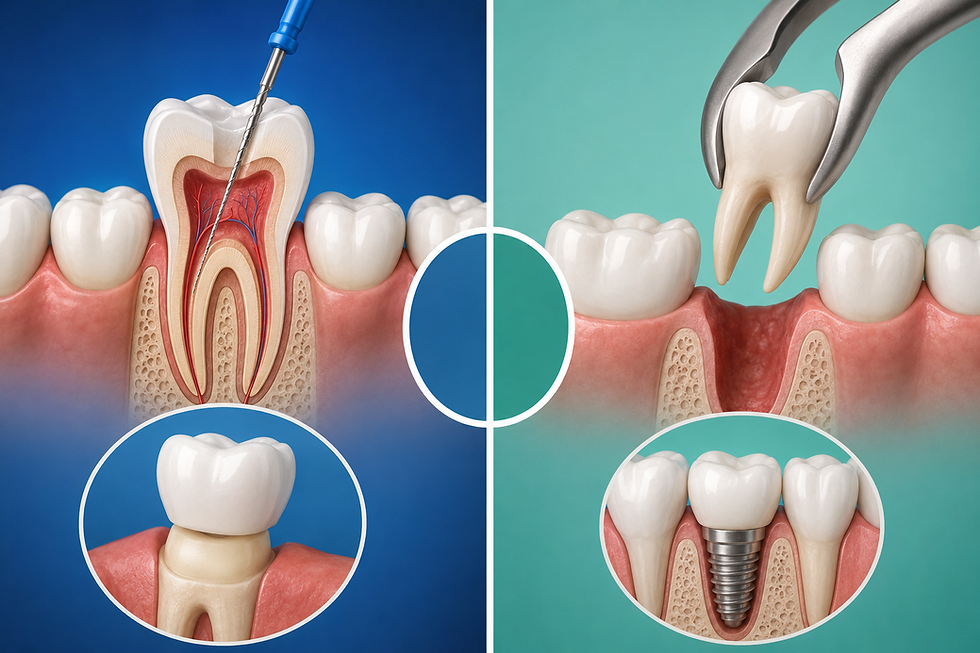
3. Dental Crowns
When gaps are combined with damaged or weak teeth, dental crowns can help.
A crown covers the entire tooth and can be shaped to reduce spacing while also strengthening the tooth.
Best for: Damaged teeth with gaps
Pros: Strong, durable, improves appearance
Cons: More expensive, requires tooth preparation
4. Veneers
Veneers are thin shells placed on the front of teeth. They instantly improve the look of your smile.
They are very popular for cosmetic smile makeovers.
Best for: Small to moderate gaps
Pros: Natural look, long-lasting
Cons: Higher cost, irreversible
5. Dental Implants or Bridges
If your gap is due to a missing tooth, this is where wilmington oral surgery may come into play.
Implants replace the missing tooth with a permanent solution
Bridges fill the gap using nearby teeth for support
Best for: Missing teeth Pros: Restores function and appearance
Cons: Surgical procedure, higher cost
Treatment Comparison Table
Treatment | Best For | Time Required | Cost Range (USD) | Durability |
Dental Bonding | Small gaps | 1 visit | $100 – $600 | 3–7 years |
Braces/Aligners | Medium to large gaps | 6–24 months | $3,000 – $7,000 | Long-term |
Dental Crowns | Damaged teeth gaps | 2–3 visits | $800 – $2,500 | 10–15 years |
Veneers | Cosmetic gaps | 2–3 visits | $900 – $2,500 | 10–15 years |
Implants/Bridges | Missing teeth | Several months | $3,000 – $6,000+ | Long-term |
Costs can vary depending on your location and dentist.
How Much Does It Really Cost?
Let’s be honest, cost is a big factor.
If you want something quick and affordable, bonding is a great start
If you want a long-term fix, braces or aligners are worth the investment
For a premium smile upgrade, veneers or crowns are popular choices
A good dentist will always guide you based on your budget and goals rather than pushing the most expensive option.
What to Expect During Treatment
Most treatments are easier than people expect.
Minimal discomfort in procedures like bonding or veneers
Braces may feel tight at first but become manageable
Surgical options like implants require recovery time but are very effective
The key is choosing the right clinic and having a proper consultation.
Tips to Choose the Right Treatment
Not sure where to start? Keep it simple:
Think about your budget
Consider how fast you want results
Ask about long-term maintenance
Always get a professional opinion
Avoid DIY trends or shortcuts you see online. They can do more harm than good.
Final Thoughts
Fixing gaps between teeth is more common than ever, and you have plenty of options to choose from. Whether it’s a quick fix like bonding or a complete transformation with braces or dental crowns, the right treatment can make a big difference in your confidence.
If you’re considering treatment, it’s always a smart idea to consult experts like Coastal Smiles Family Dentistry who can guide you with honest advice and personalized care. The goal is not just to close the gap, but to give you a smile that feels natural and comfortable.
FAQs
1. Is it necessary to fix gaps between teeth?
Not always. If it doesn’t affect your oral health, it’s mostly a cosmetic choice.
2. What is the fastest way to close a gap?
Dental bonding is usually the quickest option and can be done in one visit.
3. Are braces better than veneers?
It depends. Braces fix alignment, while veneers improve appearance. Your dentist will suggest what’s best.
4. Do gaps come back after treatment?
They can if retainers aren’t used after braces or aligners. Maintenance is important.
5. Is gap treatment painful?
Most treatments are not very painful. Some discomfort is normal but manageable.


Comments