What Causes Sudden One-Sided Jaw Pain While Eating?
- coastalsmiles12
- Mar 6
- 4 min read
Have you ever taken a bite of food and suddenly felt pain on just one side of your jaw? It can be surprising and uncomfortable, especially when it happens out of nowhere. Sometimes the pain goes away quickly, but in other cases it keeps coming back whenever chewing starts.
Many people who visit a dentist wilmington nc clinic report this exact problem. One-sided jaw pain while eating is actually more common than people think, and it can happen for several different reasons. In some cases it is related to teeth, while in others it may involve the gums, jaw joints, or even daily habits like grinding teeth.
Understanding the possible causes can help identify when the issue is minor and when it might need professional care.
Why Does Jaw Pain Happen on Only One Side?
When pain appears only on one side of the jaw, it usually means that something specific on that side is under stress or irritation. The jaw joint, teeth, and gums all work together when chewing. If one part becomes sensitive or damaged, pain can show up when pressure is applied.
The most common causes include:
Tooth damage or cracks
Gum infections or inflammation
Jaw joint problems
Teeth grinding or clenching
Dental restorations that need adjustment
Each of these problems can trigger pain when chewing food.
Tooth Problems That Trigger Jaw Pain
A damaged or cracked tooth is one of the most frequent reasons behind sudden jaw pain while eating. When a tooth has a hidden crack, pressure from chewing can irritate the inner nerves.
You might notice symptoms like:
Sharp pain when biting down
Pain that disappears after chewing
Sensitivity to cold or sweet foods
Pain on one specific side
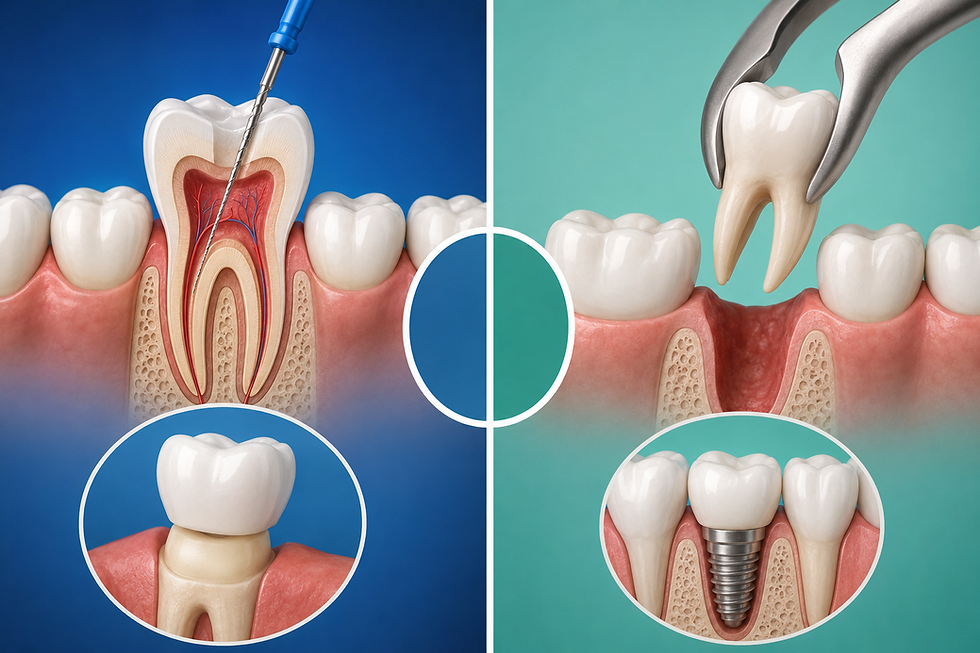
In many situations, dentists recommend treatments such as dental crowns to protect the damaged tooth. A crown covers the tooth and helps restore its strength, preventing further discomfort during chewing.
Gum Infections and Inflammation
Sometimes the pain does not come from the tooth itself but from the gums around it. When gums become infected or inflamed, chewing can create pressure in that area.
Common signs of gum problems include:
Red or swollen gums
Bleeding during brushing
Bad breath that does not go away
Tender gums near one tooth
If the condition develops further, professional gum disease treatment may be necessary to stop the infection and protect the surrounding teeth.
Jaw Joint Problems (TMJ Issues)
The jaw joint, also known as the temporomandibular joint, connects the jawbone to the skull. If this joint becomes strained or inflamed, pain can occur while chewing.
Typical symptoms include:
Pain near the ear while eating
Clicking or popping sounds in the jaw
Difficulty opening the mouth fully
Jaw stiffness in the morning
Stress, teeth grinding, or uneven bite pressure can contribute to this condition.
Teeth Grinding and Bite Pressure
Many people grind or clench their teeth without realizing it, especially during sleep. Over time, this habit can put extra pressure on one side of the jaw.
Signs of teeth grinding include:
Morning jaw soreness
Worn or flattened teeth
Headaches after waking up
Tight jaw muscles
Night guards or bite adjustments can often reduce the pressure and relieve the pain.
Quick Comparison of Possible Causes
Cause | Common Symptoms | Possible Treatment |
Cracked or damaged tooth | Sharp pain while biting | Dental crowns to protect the tooth |
Gum infection | Swelling, bleeding gums | Professional gum disease treatment |
Jaw joint strain | Clicking sound, ear-area pain | Jaw exercises or bite correction |
Teeth grinding | Morning jaw soreness | Night guard or stress management |
Uneven bite | Pain on one side while chewing | Dental adjustment |
This table helps highlight how different conditions can create similar symptoms but may require different solutions.
When Should Jaw Pain Be Checked?
Occasional discomfort may happen after chewing hard foods or due to temporary irritation. However, some warning signs suggest it may be time to see a dental professional.
Consider seeking help if:
The pain lasts for several days
Chewing becomes difficult
Swelling appears near the jaw or gums
Pain spreads toward the ear or head
A dental exam can help identify the exact cause and prevent the problem from getting worse.
Simple Ways to Reduce Jaw Pain at Home
While waiting for an appointment, a few small steps may help ease the discomfort.
Helpful tips include:
Avoid chewing on the painful side
Choose softer foods temporarily
Apply a warm compress to relax jaw muscles
Avoid chewing gum
Practice gentle jaw relaxation
These steps will not treat the underlying issue but can reduce irritation until proper care is received.
Conclusion
Sudden one-sided jaw pain while eating can feel confusing, but it often has a clear explanation. The pain may come from a cracked tooth, irritated gums, jaw joint strain, or habits like teeth grinding. Identifying the source of the discomfort is the first step toward relief.
Dental problems rarely fix themselves, which is why early attention is helpful. If pain keeps returning or chewing becomes uncomfortable, it is a good idea to consult a professional for evaluation. The team at Coastal Smiles Family Dentistry often helps patients understand the real cause of jaw discomfort and recommends practical solutions to restore comfort and healthy chewing.
Frequently Asked Questions
Why does my jaw hurt only when I eat?
Pain during chewing usually means pressure is affecting a sensitive tooth, gum area, or jaw joint. When the pressure stops, the pain may fade.
Can a cracked tooth cause jaw pain?
Yes. A cracked tooth can create sharp pain when biting down. In many cases, dentists protect the tooth using dental crowns.
Is jaw pain related to gum disease?
It can be. Infected or inflamed gums may become tender during chewing and sometimes require gum disease treatment.
How long should jaw pain last before seeing a dentist?
If the pain continues for more than a few days or keeps returning while eating, it is best to have it checked.
Can stress cause jaw pain?
Yes. Stress can lead to teeth grinding or clenching, which puts pressure on the jaw muscles and joints.


Comments